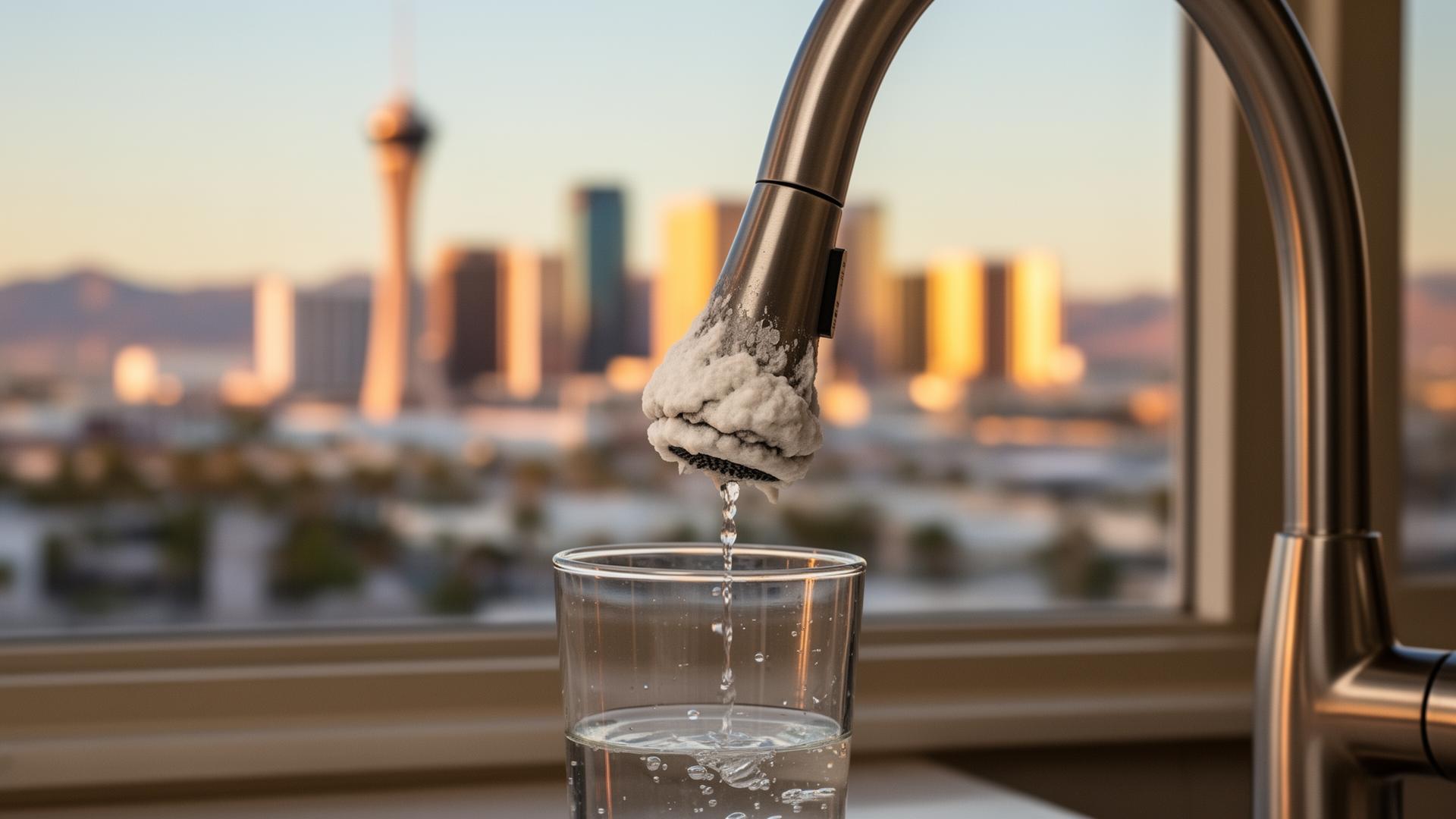
Quick answer: how does Las Vegas hard water affect appliances?
Las Vegas hard water leaves mineral scale inside any appliance that uses water. The usual suspects are ice makers, dishwashers, washing machines, refrigerator water dispensers and lines, filters, inlet valves, hoses, and spray arms. Over time that buildup slows water flow, hurts cleaning performance, clogs small openings, leaves white residue, creates odors, shortens filter life, and eventually causes repair calls.
The short version
Why Las Vegas has hard water
Most of our water comes from the Colorado River system through Lake Mead. As that water travels through mineral-rich rock, it picks up dissolved calcium and magnesium. The City of Henderson describes those two minerals as the main contributors to hard water in our valley — and they're not a health risk.
The real issue is what hard water does to the fixtures, plumbing, and appliances that use it day after day. The chalky white residue you see around faucets and shower doors? It's also forming, more quietly, inside your dishwasher, washer, and ice maker.
The appliances most affected in Las Vegas homes
1. Ice makers
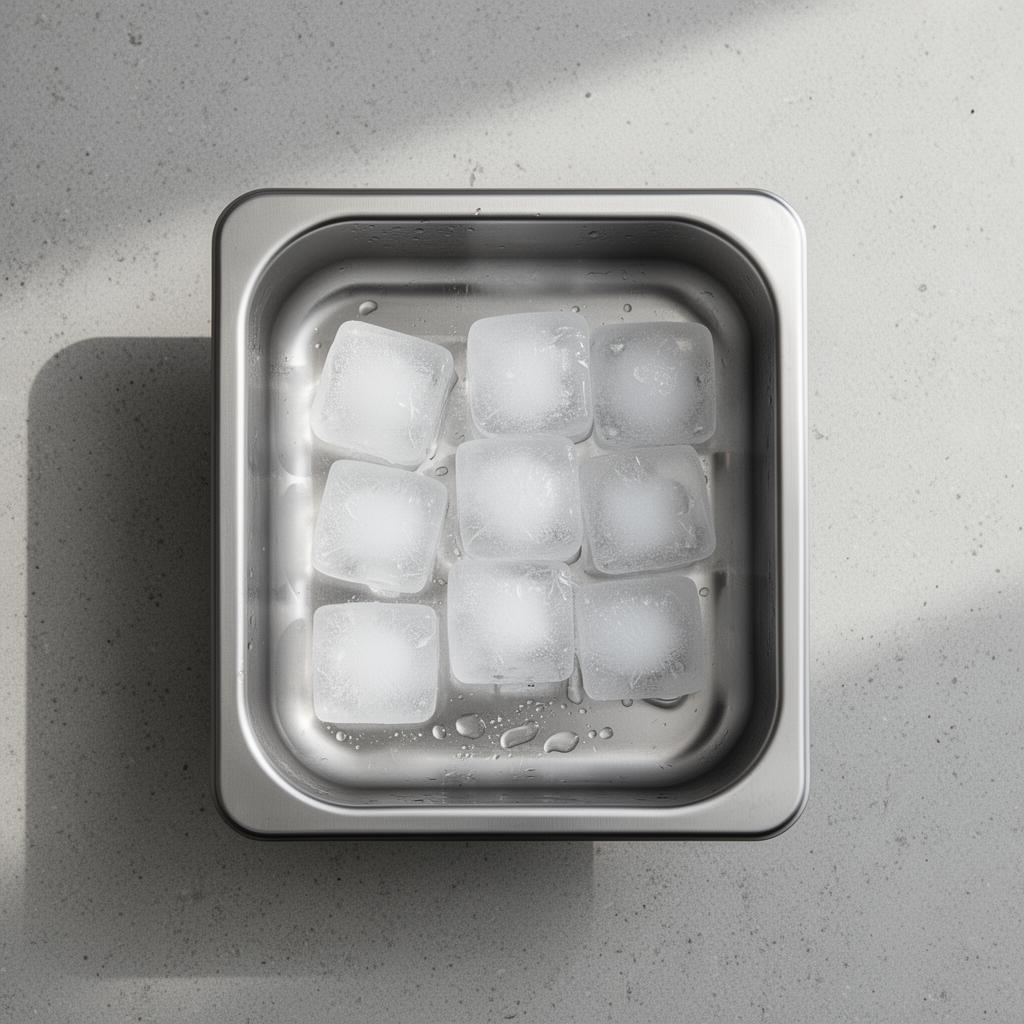
Ice makers are the #1 hard water headache in Las Vegas — refrigerator ice makers, standalone units, undercounter machines, bar ice makers, outdoor kitchens, vacation rentals, and breakroom machines.
Watch for:
- Less ice than usual or smaller cubes
- Cloudy ice or white flakes in the bin
- Ice that tastes or smells off
- Slow water dispenser flow
- Ice maker cycles but doesn't fill
- Undercounter machines needing more frequent cleaning
Local tip
2. Dishwashers
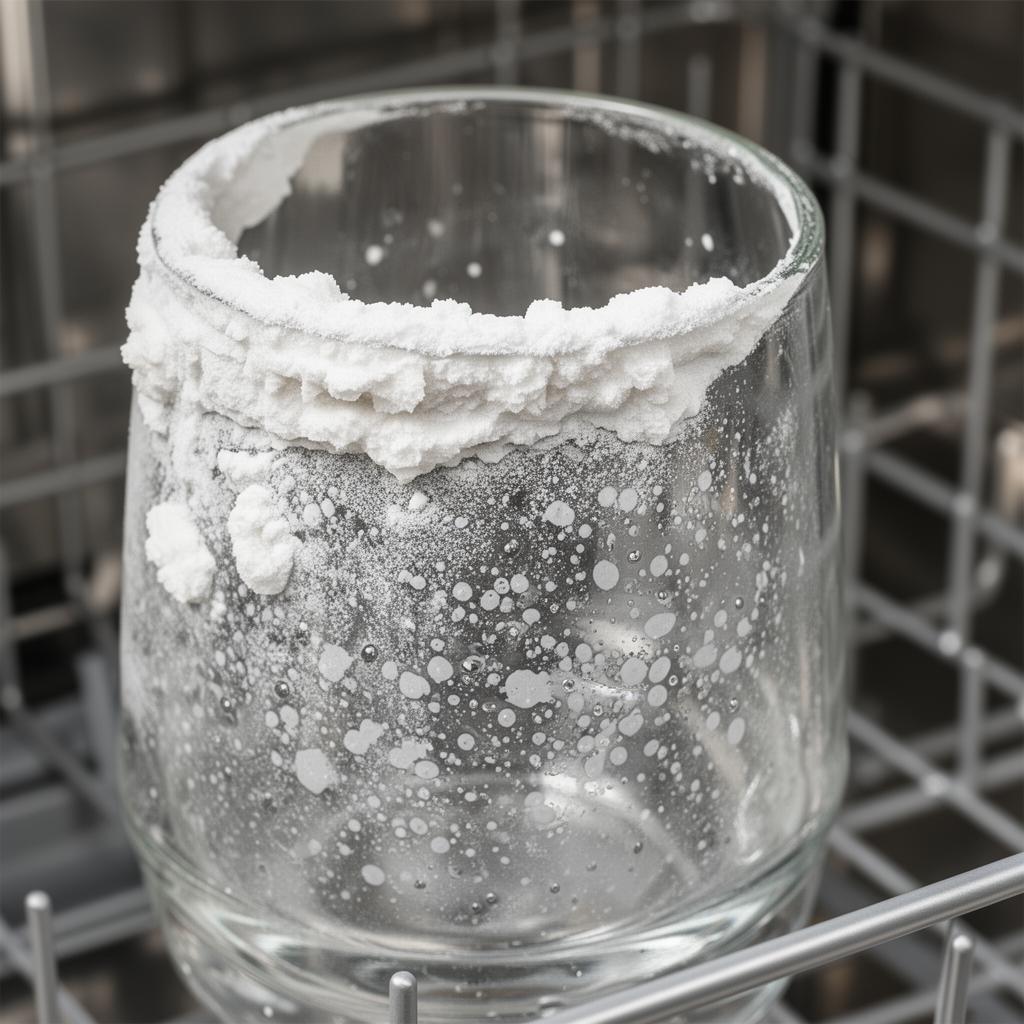
Hard water makes detergent less effective and leaves residue on dishes, spray arms, filters, heating elements, racks, and the inside of the dishwasher.
Watch for:
- White spots or cloudy film on glassware
- Detergent that doesn't fully dissolve
- Grit on dishes after a full cycle
- Odors inside the dishwasher
- Clogged spray arm holes
- Longer dry times or streaky dishes
Often people think the dishwasher is failing when the real issue is a mix of hard water, the wrong detergent, clogged filters, and skipped maintenance. If the basics don't fix it, see dishwasher repair in Las Vegas.
3. Washing machines
Hard water makes it harder for detergent to dissolve and rinse out — especially in homes with high laundry volume, families, gyms, Airbnbs, or salons.
Watch for:
- Stiff towels and clothes
- Detergent residue on dark fabrics
- Musty washer or door-gasket smell
- White residue or buildup in the drum
- Slow water fill or clogged inlet screens
- Mineral buildup around hoses and connections
Most common mistake
4. Refrigerators with water dispensers
Every glass of water and every cube of ice runs through filters, lines, valves, and ice maker assemblies. Hard water shortens the life of all of them.
Watch for:
- Slow water dispenser flow
- Small cubes or ice maker not filling
- White residue near the dispenser tray
- Filter replacements needed sooner than expected
- Ice maker freezing up or jamming
For diagnosis on the dispenser, lines, valve, or fill tube, see refrigerator water dispenser repair or freezer repair if your ice system lives in a separate unit.
5. Coffee makers, beverage centers & built-in luxury appliances
In higher-end Las Vegas kitchens — Summerlin, The Ridges, MacDonald Highlands, Southern Highlands, Ascaya, Anthem, Lake Las Vegas — built-in coffee systems, espresso machines, undercounter ice makers, beverage dispensers, and outdoor kitchen appliances are more sensitive to water quality and more expensive to replace. Preventive maintenance pays for itself.
Common signs hard water is affecting your appliances
- White chalky buildup around appliance water connections
- Cloudy glasses from the dishwasher
- Ice maker making less ice or smaller cubes
- Slow refrigerator water dispenser flow
- Clothes feeling stiff after washing
- Washer odors or residue
- Filters needing frequent replacement
- Mineral flakes in water or ice
- Repeated service calls for water-flow issues
These don't always mean the appliance is broken. Sometimes it just needs cleaning, descaling, a filter, a hose check, or a single water-related part.
Why hard water is worse in Las Vegas homes specifically
Heavy ice usage
Hot months = more ice. Refrigerator ice makers and standalone machines run harder and longer than they would in cooler climates.
High summer temperatures
Garages, laundry rooms, and utility spaces get hot. Heat makes refrigerators, freezers, and ice makers work harder — especially with poor ventilation.
Rental and Airbnb turnover
Short-term rentals see heavier use and delayed reporting. Guests rarely flag early warning signs — they call when the appliance has stopped working entirely. A simple local appliance repair technician visit between turns can prevent that.
Luxury appliance systems
Built-in refrigeration, outdoor kitchens, wet bars, wine fridges, beverage centers, and specialty ice machines are expensive to repair and replace. Maintenance is much cheaper than replacement.
New residents
People moving from softer-water areas are often surprised by how quickly spots, residue, and scale appear.
Appliance-by-appliance maintenance checklist
Ice maker
- Replace refrigerator water filters on schedule
- Clean ice bins regularly
- Watch for white flakes or cloudy ice
- Check for slow water dispenser flow
- Clean undercounter machines per manufacturer guidance
- Keep the condenser clean and ventilated
- Don't ignore reduced ice production
Dishwasher
- Clean the dishwasher filter regularly
- Check spray arm holes for clogs
- Use rinse aid if recommended
- Run a dishwasher cleaner or descaler periodically
- Avoid overloading
- Use the correct detergent amount — not more, not less
Washing machine
- Use the correct amount of HE detergent
- Leave front-load doors open after use when possible
- Wipe the door gasket and clean the detergent drawer
- Run a tub clean cycle
- Inspect hoses, connections, and inlet screens
- Watch for musty odors or residue
Refrigerator water system
- Replace water filters on schedule
- Use the correct OEM or quality-equivalent filter
- Flush new filters per instructions
- Clean the dispenser tray
- Watch for slow flow and any leaks at the water line
- Keep coils clean
Should Las Vegas homeowners install a water softener?
A softener can reduce scale buildup throughout the home, but it doesn't replace appliance maintenance. The Southern Nevada Water Authority treats home treatment as a personal choice and lists Las Vegas-area water hardness at roughly 291 ppm (17 grains per gallon) — very hard.
For real appliance protection, the right approach is usually a combination:
- Whole-home softening or filtration
- Refrigerator water filters on a real schedule
- Regular dishwasher cleaning and descaling
- Ice machine descaling per manufacturer
- Washer tub-clean cycles
- Professional diagnosis when water-flow issues appear
Try cleaning, replace a filter, or call for repair?
Clean first
- • Cloudy glasses
- • Light dishwasher film
- • Mild washer odor
- • Residue in the ice bin
- • Buildup on the dispenser tray
Replace a filter
- • Slower water flow
- • Smaller ice cubes
- • Water tastes different
- • Filter light is on
- • You forget when it was last changed
Call for repair
- • Ice maker stopped working
- • Dishwasher still won't clean
- • Washer fills slowly or not at all
- • Dispenser barely flows
- • Leaks, freezing fill tubes, or error codes
Hard water by property type
Single-family homes
Dishwashers, refrigerators, ice makers, and washers see the brunt of it. Families that cook often, use lots of ice, or run daily laundry notice symptoms first.
Condos and townhomes
Tighter laundry spaces, smaller appliances, and limited ventilation make access trickier — especially built-in fridges and stacked laundry.
Airbnbs and short-term rentals
Heavy appliance usage plus delayed reporting equals expensive surprises. A maintenance-first mindset is the best defense — see our notes on rental property appliance maintenance (full Property Manager guide coming soon).
Luxury homes
Multiple refrigerators, built-in ice makers, bar appliances, wine coolers, outdoor kitchens — high replacement cost, high maintenance ROI.
Offices and breakrooms
High use, low maintenance. Slow ice, cloudy dishes, and dispenser issues show up fast.
Local service areas
Where we see this every week
Las Vegas, Henderson, Summerlin, North Las Vegas, Spring Valley, Enterprise, Paradise, Southern Highlands, Centennial Hills, The Lakes, Anthem, Green Valley, Mountains Edge, Silverado Ranch, Seven Hills, MacDonald Highlands, Lake Las Vegas, The Ridges, Peccole Ranch, and Lone Mountain.
Expert tip: don't wait until the appliance fails
Hard water damage starts small. An ice maker makes less ice. A dishwasher leaves a little film. A washer starts to smell. A dispenser slows down. A filter dies sooner than expected.
Those tiny warning signs are way cheaper to fix than a full appliance failure. In a city where hard water, heat, and high usage stack on top of each other, routine maintenance is the difference between a 5-year and a 15-year appliance.
Need a local technician?
We diagnose hard-water appliance problems every day
Vegas Appliance Care services refrigerators, ice makers, dishwashers, washers, dryers, ovens, ranges, freezers, and more across the Las Vegas valley.
Frequently asked questions
Does Las Vegas hard water damage appliances?
Las Vegas hard water can contribute to scale buildup inside appliances that use water. This can affect ice makers, dishwashers, washing machines, refrigerator water lines, water filters, valves, hoses, and spray arms. The water is safe to use, but the mineral content can create appliance maintenance and performance issues over time.
What appliances are most affected by hard water in Las Vegas?
The appliances most affected by Las Vegas hard water are ice makers, dishwashers, washing machines, refrigerators with water dispensers, refrigerator ice makers, undercounter ice machines, built-in coffee makers, and beverage systems.
Why does my Las Vegas dishwasher leave white spots?
White spots on dishes or glasses are often caused by mineral residue from hard water. In Las Vegas, this may be improved with rinse aid, proper detergent use, filter cleaning, spray arm cleaning, and periodic dishwasher descaling. If cleaning does not help, the dishwasher may need service.
Why is my ice maker making cloudy ice?
Cloudy ice can be related to dissolved minerals, trapped air, filter issues, or the way the ice maker freezes water. In Las Vegas, hard water and filter condition are common factors to check when ice quality changes.
Can hard water make my refrigerator water dispenser slow?
Yes. Hard water scale, clogged filters, restricted water lines, and worn inlet valves can all reduce refrigerator water dispenser flow. If replacing the filter does not fix the issue, the refrigerator water system may need diagnosis.
How often should I replace my refrigerator water filter in Las Vegas?
Follow the refrigerator manufacturer’s recommendation, but Las Vegas homeowners should pay close attention to water flow, taste, ice quality, and filter indicator lights. Heavy use or very hard water may make filter performance decline faster.
Can hard water make my washing machine smell?
Hard water can contribute to residue inside washing machines, especially when too much detergent is used. Front-load washers may also develop odors if the gasket, detergent drawer, and tub are not cleaned regularly.
Do water softeners protect appliances?
A water softener may help reduce mineral scale, but it does not eliminate the need for appliance maintenance. Dishwashers, washers, ice makers, refrigerator filters, and water lines still need regular cleaning, inspection, and proper use.
Is hard water the reason my ice maker stopped working?
It could be one factor. Ice maker problems can also come from a clogged filter, failed inlet valve, frozen fill tube, faulty ice maker assembly, dirty condenser, or water supply issue. In Las Vegas, mineral buildup is common enough that it should be part of the diagnosis.
Who should use this guide?
This guide is useful for Las Vegas homeowners, landlords, Airbnb hosts, property managers, realtors, home inspectors, office managers, and anyone responsible for appliances that use local water.
Sources & further reading
More Las Vegas appliance guides
Read before you call
Free, Las Vegas-specific advice from our technicians.
- Summer heat & refrigerator careCoil cleaning, garage refrigerators, and keeping luxury built-ins alive through a 110°F summer.
- Las Vegas appliance repair cost guideTypical 2026 repair price ranges by appliance and when repair beats replacement.
- Las Vegas hard water reportValley hardness numbers and which appliances scale damages first.
- Dryer vent fire risk in Las VegasWarning signs of a restricted vent, safe cleaning intervals, and why valley homes carry extra risk.
Related appliance repair services
Get help from a local Las Vegas technician
When DIY isn't enough, here's where to go next.
See all appliance services →
Hard water & high-end appliances
Scale hits built-in ice systems, steam ovens, and dishwashers hardest. Brand-specific service pages:
All brands we service