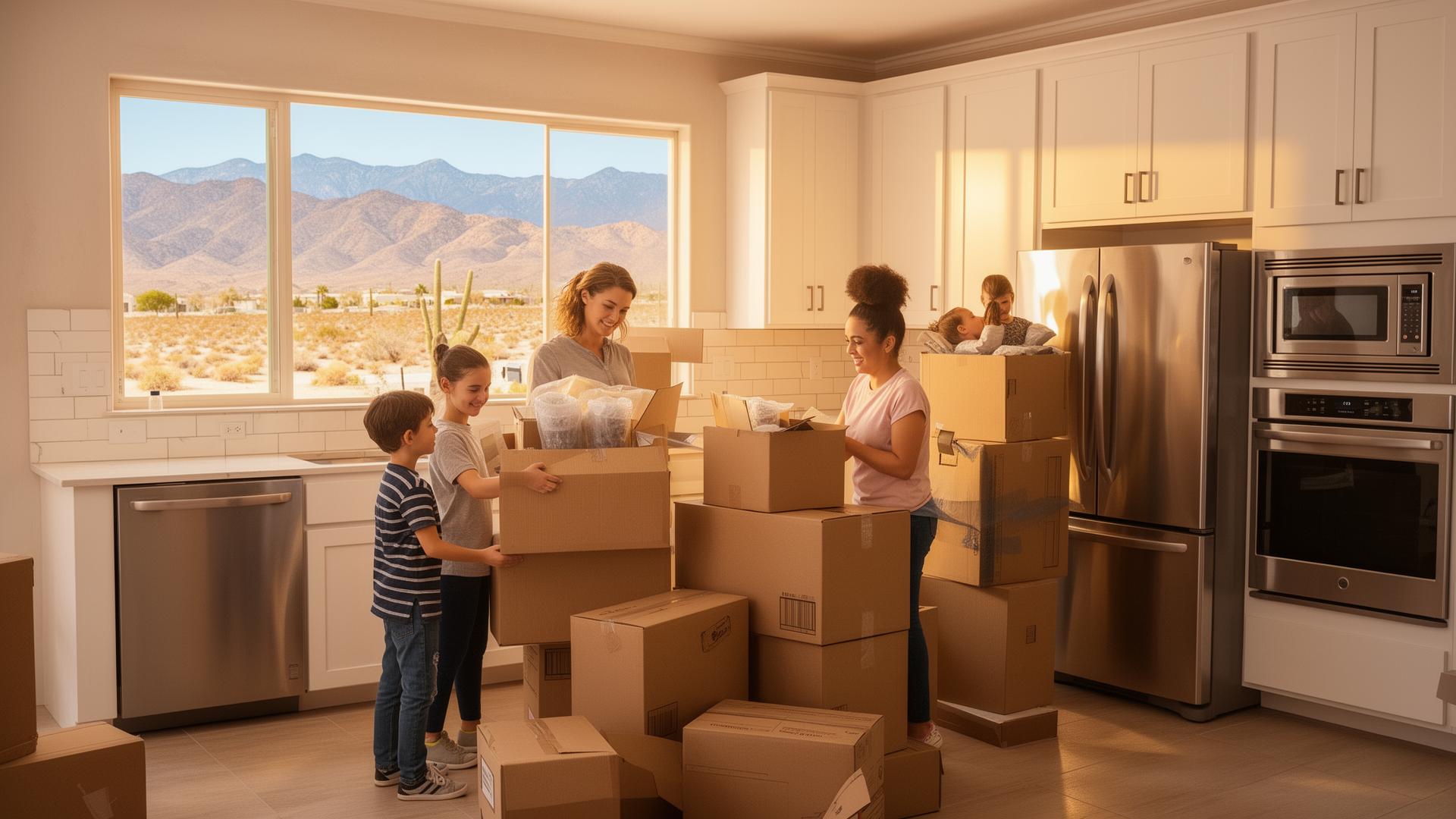
Moving into a new home is exciting, but appliances are easy to overlook until something stops working. In Las Vegas, appliance issues can show up quickly because of hard water, summer heat, dust, heavy ice usage, and water-connected appliances that may not have been maintained by the previous owner.
Before you settle in, use this checklist to inspect the major appliances in your kitchen, laundry room, garage, casita, outdoor kitchen, or guest space.
Quick answer
New homeowner appliance checklist
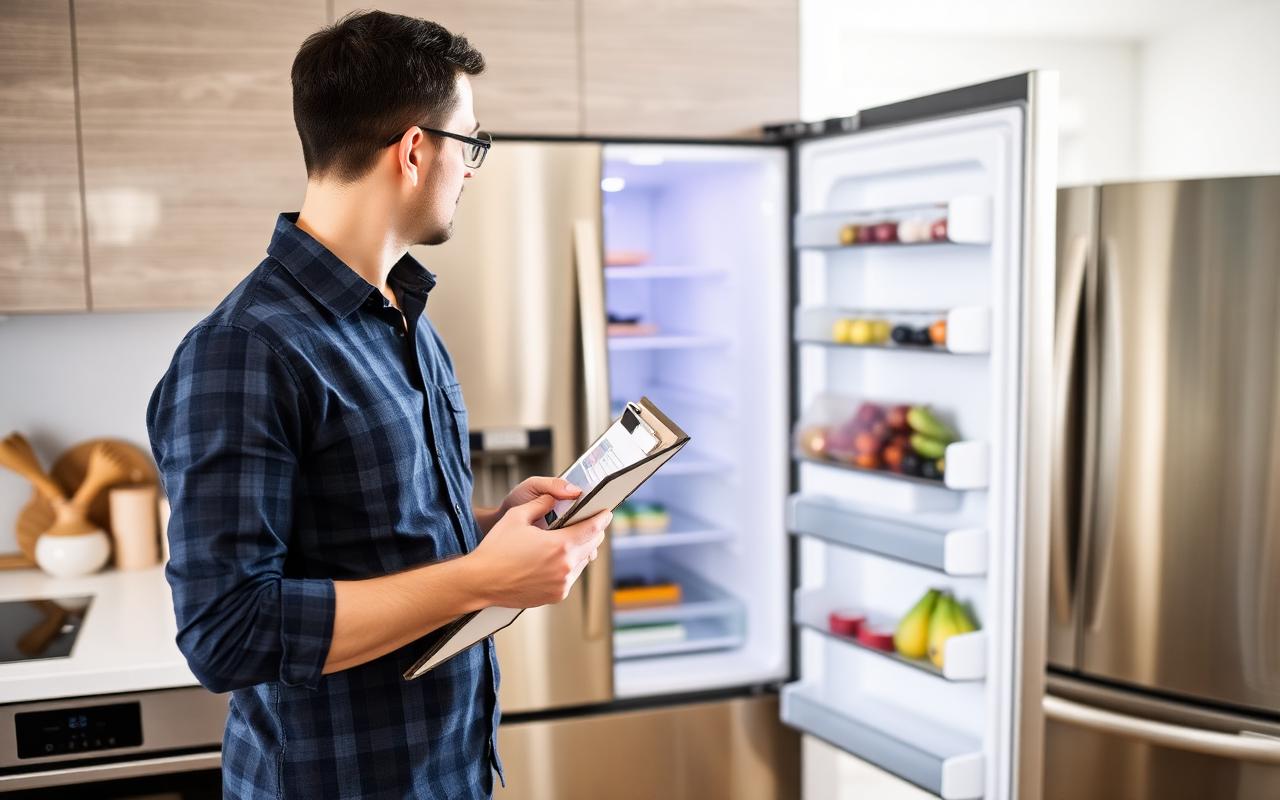
1. Refrigerator and freezer
Your refrigerator should be checked early because cooling problems can lead to spoiled food fast.
- Is the refrigerator cooling properly?
- Is the freezer staying frozen?
- Are the door seals tight and clean?
- Are the vents inside the fridge blocked?
- Is there water under the drawers?
- Is there frost or ice buildup in the freezer?
- Are the coils dusty or blocked?
- Clicking, buzzing, or rattling noises?
If the refrigerator was empty during the sale or move, give it time to stabilize after loading groceries. But if food feels warm, the freezer is softening, or the unit runs constantly, schedule refrigerator repair before it becomes urgent.
2. Ice maker and water dispenser
Ice makers are one of the most common problem areas in Las Vegas homes because they deal with both hard water and heavy use.
- Is the ice maker producing ice?
- Are cubes a normal size?
- Is the ice cloudy or flaky?
- Does the water dispenser flow normally?
- Does the water taste or smell off?
- Is the filter overdue?
- White buildup near the dispenser or bin?
- Is the ice maker leaking or noisy?
A slow dispenser or weak ice production may be caused by a clogged filter, restricted water line, inlet valve issue, freezer temperature problem, or hard water buildup. See our Las Vegas hard water appliance guide for more, or book ice maker repair.
3. Dishwasher
Dishwashers can look clean from the outside while hiding hard water buildup, odors, clogged filters, or drainage problems.
- Run a full cycle before relying on it
- Look for standing water after the cycle
- Check for cloudy glasses or white residue
- Clean the filter
- Inspect spray arm holes for clogs
- Look for leaks under or around the unit
- Smell-test the interior after a cycle
- Make sure detergent dissolves properly
In Las Vegas, white film on dishes is often tied to hard water, detergent use, rinse aid, or blocked spray arms — it does not always mean the dishwasher needs to be replaced. If basic cleaning doesn't help, dishwasher repair is the next step.
4. Washing machine
The washer should be checked before you run large loads of clothes, towels, or bedding.
- Does the washer fill properly?
- Does it drain fully?
- Does it spin without shaking heavily?
- Any musty odors?
- Is the door gasket clean?
- Are hoses cracked, bulging, or leaking?
- Is the detergent drawer clean?
- Any error codes? Is it level?
If the washer smells bad, do not ignore it. Front-load washers can hold moisture in the gasket and detergent drawer, especially if the previous owner used too much detergent or left the door closed between loads. Washer repair is available across the valley.
5. Dryer
Dryers should be checked for both performance and airflow. A dryer that takes too long can be inconvenient and may point to lint buildup, vent issues, or a heating problem.
- Does the dryer heat?
- Do clothes dry in one normal cycle?
- Is the lint screen clean?
- Is the vent hose crushed or kinked?
- Is there lint behind the dryer?
- Does the dryer smell hot or musty?
- Is the drum turning smoothly?
- Squeaking, grinding, or thumping noises?
If the dryer takes two or more cycles to dry normal loads, check airflow before assuming the dryer itself is bad — start with dryer vent cleaning, then dryer repair if needed.
6. Oven, range, and cooktop
Cooking appliances should be tested before you need them for daily meals.
- Do all burners turn on?
- Does the oven heat?
- Does the oven hold temperature?
- Knobs secure and readable?
- Does the oven door close fully?
- Is the gasket intact?
- Are igniters clicking normally?
- Any damaged electric elements?
- Any error codes?
- Any gas smell?
Gas smell
7. Microwave
Microwaves are often missed during move-in checks, especially built-in or over-the-range units.
- Does it heat food?
- Does the turntable spin?
- Does the door close securely?
- Does the light work?
- Does the vent fan work?
- Sparks, buzzing, or burning smells?
- Is the control panel responsive?
- Handle and trim in good shape?
Countertop microwaves are often easier to replace, but built-in and over-the-range microwaves may be worth diagnosing because replacement can involve fit, trim, and ventilation.
8. Garbage disposal
Garbage disposals can be damaged by previous use, especially if grease, bones, fibrous food, or foreign objects were put down the drain.
- Does the disposal turn on?
- Does it drain?
- Does it hum but not spin?
- Any odors?
- Any leaking under the sink?
- Is the reset button tripped?
- Is the splash guard damaged?
- Any foreign objects stuck inside?
A simple disposal issue can turn into a sink backup, odor problem, or leak if ignored.
9. Built-in, outdoor, and specialty appliances
Many Las Vegas homes include extra appliances beyond the main kitchen and laundry room.
- Outdoor kitchen refrigerators
- Built-in grills
- Beverage centers
- Wine coolers
- Undercounter ice makers
- Casita refrigerators
- Garage freezers
- Second laundry rooms
- Built-in coffee systems
- Bar appliances
These appliances are easy to forget during a move, but they can be expensive to repair or replace. Check them before hosting guests, stocking food, or relying on them during summer. See outdoor kitchen appliance repair and wine & beverage cooler repair.
Las Vegas-specific appliance issues to watch for
Hard water buildup
Las Vegas hard water can leave mineral buildup in ice makers, dishwashers, washers, filters, water lines, valves, and spray arms. Look for white residue, cloudy dishes, slow water flow, small ice cubes, and washer residue.
Summer heat
Refrigerators, freezers, ice makers, wine coolers, beverage centers, and garage appliances may work harder during summer. Poor airflow, dirty coils, or hot rooms can make problems worse.
Front-load before summer
Dust and airflow
Dust can collect around refrigerator coils, dryer vents, and appliance ventilation areas. Cleaning airflow areas can improve performance and reduce strain.
Previous owner habits
You may inherit appliance problems caused by overloading, skipped filter changes, poor cleaning habits, hard water buildup, or delayed repairs. A move-in inspection gives you a clean starting point.
First 30 days in your new home
During your first month, pay attention to patterns. Call for appliance service if you notice:
- Refrigerator not cooling consistently
- Freezer thawing or icing up
- Ice maker not making ice
- Water dispenser slowing down
- Dishwasher not draining
- Dishes coming out cloudy or dirty
- Washer smelling bad or leaking
- Dryer taking multiple cycles
- Oven not heating correctly
- Burners not lighting
- Microwave not heating
- Any appliance leaking
- Error codes or unusual noises
Small problems are usually easier to deal with before they become emergencies.
Keep a simple appliance record
After moving in, create a quick appliance record for your home. Write down:
- Appliance type
- Brand
- Model number
- Serial number
- Approximate age
- Filter type
- Last filter change
- Known issues
- Warranty information
- Last service date
This helps if you need repair, warranty support, replacement parts, or a future repair-or-replace decision. Renting the place out later? Our rental property appliance maintenance checklist picks up where this one leaves off.
Frequently asked questions
What appliances should I check when moving into a Las Vegas home?
Check the refrigerator, freezer, ice maker, dishwasher, washer, dryer, oven, range, cooktop, microwave, garbage disposal, water dispenser, filters, hoses, vents, seals, and any built-in, outdoor, or specialty appliances.
Why should new Las Vegas homeowners check appliances right away?
Las Vegas homes deal with hard water, heat, dust, and heavy ice usage. Checking appliances early helps you catch leaks, cooling problems, clogged filters, dryer airflow issues, dishwasher residue, washer odors, and other problems before they become expensive repairs.
How does Las Vegas hard water affect appliances?
Hard water can leave mineral buildup in ice makers, dishwashers, washing machines, refrigerator water lines, water filters, inlet valves, hoses, and spray arms. Common signs include white residue, cloudy dishes, slow water flow, small ice cubes, and washer residue.
Should I replace all appliance filters after moving in?
It is usually smart to replace or at least check refrigerator water filters, ice maker filters, and any other appliance filters when moving in. If you do not know when the filter was last changed, starting fresh gives you a clean maintenance baseline.
Should I clean refrigerator coils after moving in?
Yes, if they are accessible. Dusty condenser coils can make a refrigerator work harder, especially during Las Vegas summers. Make sure the refrigerator also has proper airflow around it.
What should I do if my dryer takes too long after moving in?
Check the lint screen, vent hose, and airflow first. A crushed vent hose, lint buildup, or blocked vent can make a dryer take multiple cycles. If airflow looks good and the dryer still takes too long, the dryer may need repair.
Is cloudy glassware a dishwasher problem or a hard water problem?
It can be either. In Las Vegas, cloudy glasses and white residue are often related to hard water, detergent amount, rinse aid, clogged filters, or blocked spray arms. If basic cleaning does not help, the dishwasher may need diagnosis.
Should I get appliances inspected before buying a home?
A general home inspection may include basic appliance checks, but it may not fully diagnose appliance performance. If an appliance is high-end, built-in, older, leaking, noisy, or showing warning signs, it may be worth having it checked separately.
Need a hand?
Appliance trouble in your new Las Vegas home?
We service refrigerators, ice makers, dishwashers, washing machines, dryers, ovens, ranges, microwaves, freezers, and other major home appliances throughout the Las Vegas Valley.
More Las Vegas appliance guides
Read before you call
Free, Las Vegas-specific advice from our technicians.
- Las Vegas hard water appliance guideHow valley water chemistry scales up dishwashers, ice makers, and washers — and what actually prevents it.
- Summer heat & refrigerator careCoil cleaning, garage refrigerators, and keeping luxury built-ins alive through a 110°F summer.
- Las Vegas appliance repair cost guideTypical 2026 repair price ranges by appliance and when repair beats replacement.
- Las Vegas hard water reportValley hardness numbers and which appliances scale damages first.
Related appliance repair services
Get help from a local Las Vegas technician
When DIY isn't enough, here's where to go next.